Caring With Dignity: Managing Incontinence in Senior Pets
Published in Cats & Dogs News
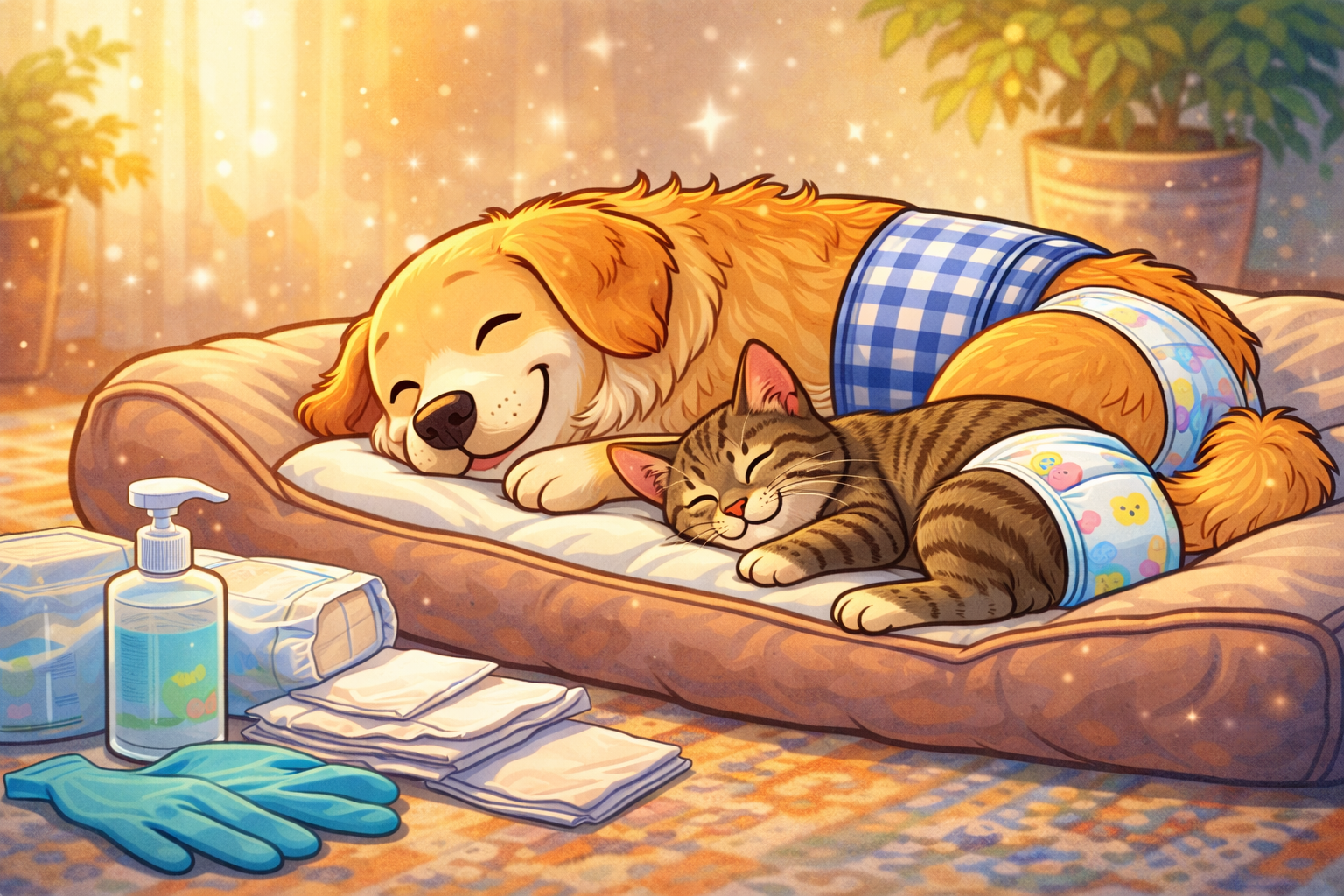
By the time a dog or cat reaches its senior years, caregivers often find themselves navigating changes they never anticipated when their companion was young. One of the most challenging — and emotionally fraught — is incontinence. Accidents can feel frustrating, embarrassing, or even overwhelming, but veterinarians emphasize that incontinence is a medical and age-related issue, not a behavioral failure. With patience, information, and the right tools, most senior pets can continue to live comfortable, happy lives.
Understanding Why Incontinence Happens
Incontinence in older pets has many possible causes, and identifying the underlying reason is the first step toward effective management. Age-related muscle weakening is common, particularly in spayed female dogs, whose urinary sphincter tone can decline over time. Neurological changes, arthritis that makes it painful to posture properly, and cognitive decline can also contribute to accidents.
Medical conditions are another major factor. Urinary tract infections, kidney disease, diabetes, Cushing’s disease, and bladder stones can all cause increased urination or loss of bladder control. In cats, chronic kidney disease is a frequent culprit, while in dogs, hormonal imbalances are often involved.
Because of this range of possibilities, veterinarians strongly recommend a medical evaluation before assuming incontinence is simply “old age.” Bloodwork, urinalysis, and imaging can reveal treatable conditions, and in many cases, medication significantly improves symptoms.
The Emotional Side of Senior Pet Care
For many caregivers, the hardest part of dealing with incontinence isn’t the laundry — it’s the guilt. Pets that have been house-trained for years may appear ashamed or anxious after an accident, and owners may worry that their frustration is unfair or damaging to the bond they share.
Experts advise reframing the situation. Incontinence is not disobedience, stubbornness, or spite. It is comparable to arthritis or vision loss: a physical limitation that requires accommodation. Remaining calm, avoiding punishment, and offering reassurance helps prevent stress-related worsening of symptoms.
Maintaining routines can also reduce anxiety. Consistent feeding times, regular bathroom breaks, and predictable sleeping arrangements help senior pets feel secure, even as their bodies change.
Environmental Adjustments That Help
Small changes to a pet’s environment can make a significant difference. Increasing the frequency of outdoor breaks for dogs — especially first thing in the morning and last thing at night — reduces the likelihood of accidents. For pets with mobility issues, ramps, non-slip flooring, and easy access to elimination areas are essential.
Inside the home, washable bedding, waterproof mattress covers, and absorbent pads protect surfaces while preserving comfort. Many caregivers designate specific “easy-clean” areas where pets can rest without risk of damage or stress.
For cats, adding extra litter boxes and choosing lower-sided boxes can help those with arthritis or balance issues. Keeping litter boxes clean is especially important, as older cats may avoid a box that feels unpleasant or difficult to enter.
Medical Management and Supportive Care
Depending on the diagnosis, veterinarians may prescribe medications that improve bladder control or reduce urine production. Hormone replacement drugs are commonly used in dogs with sphincter weakness, while antibiotics or dietary changes may resolve infection-related issues.
Pain management is often overlooked but critical. A dog with sore hips or a cat with spinal discomfort may delay urination simply because squatting hurts. Treating arthritis can indirectly improve continence by making normal elimination less uncomfortable.
Hydration and diet also matter. While it may seem counterintuitive, restricting water is not recommended and can worsen underlying conditions. Instead, veterinarians may suggest specific diets that support urinary health while maintaining proper hydration.
Diapers, Wraps, and Belly Bands
When medical treatment and environmental changes aren’t enough, absorbent garments can be a practical and humane solution. For dogs, belly bands are a popular option, particularly for males. A belly band is a fabric wrap that fits around the dog’s abdomen and covers the urinary opening, holding an absorbent pad in place. They are often easier to manage than full diapers and can be more comfortable for pets who dislike bulky garments.
Full diapers, available for both dogs and cats, are designed to handle urinary and fecal incontinence. Proper fit is crucial: a diaper that is too tight can cause chafing, while one that is too loose may leak or slip off. Many caregivers prefer washable, reusable options, which are more economical and environmentally friendly over time.
Veterinarians emphasize that diapers and belly bands should be changed frequently and used alongside good hygiene practices. Leaving a wet garment on for too long can lead to skin irritation or infection. Cleaning the skin, keeping fur trimmed around sensitive areas, and allowing time without garments each day helps maintain skin health.
Hygiene and Skin Care
Incontinence increases the risk of urine scald, rashes, and infections if not managed carefully. Gentle cleaning with pet-safe wipes or warm water after accidents prevents irritation. Avoid products with alcohol, fragrances, or harsh chemicals, which can damage delicate skin.
Barrier creams formulated for pets can offer additional protection, but human products should only be used with veterinary guidance. Regularly checking for redness, sores, or changes in skin texture allows problems to be addressed early.
Grooming also plays a role. Keeping fur clean and trimmed reduces odor and prevents moisture from lingering against the skin, improving overall comfort.
Quality of Life Comes First
Perhaps the most important principle in managing senior pet incontinence is perspective. Many pets with bladder or bowel control issues still enjoy food, affection, play, and companionship. Incontinence alone is rarely a reason for euthanasia, and with the right support, most pets adapt well.
Caregivers are encouraged to focus on overall quality of life rather than perfection. Accidents may still happen, but they do not define the pet or the relationship. Compassion, flexibility, and realistic expectations go a long way toward preserving dignity for both pet and owner.
Veterinarians and veterinary nurses also stress the importance of caregiver self-care. Managing incontinence can be exhausting, and asking for help — whether from family members, pet sitters, or veterinary professionals — is not a failure. It is part of responsible, loving care.
In the end, senior pets ask for the same thing they always have: patience, kindness, and a safe place to rest. With thoughtful management, incontinence becomes just one more chapter in a long, meaningful life shared together.
========
Maribel Rowan is a longtime companion-animal writer focusing on senior pet care, health, and quality-of-life issues for aging animals. This article was written, in part, utilizing AI tools.








Comments